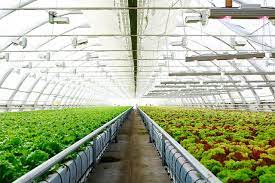
Hydroponics, a method of growing plants without soil, relies on a growing medium, often called a substrate, to support plant roots and provide a stable environment for nutrient delivery. The choice of substrate is a critical decision in hydroponic gardening, as it directly impacts plant growth, root health, and overall system performance. In this 800-word blog post, we’ll explore common hydroponic substrates and their characteristics to help you make an informed choice for your hydroponic setup. For more information regarding hydroponic plant one can visit our site https://hydroponicglobal.com.au/.
The Importance of Hydroponic Substrates:
Hydroponic substrates serve several essential functions:
1. Root Support: Substrates anchor plant roots and provide stability, allowing them to access nutrients and water.
2. Water Retention: Substrates retain water and nutrients, ensuring they are available to the plants as needed.
3. Aeration: Good substrates provide aeration, allowing oxygen to reach the roots. This is crucial for root respiration and overall plant health.
4. pH and EC Control: Substrates can influence the pH and electrical conductivity (EC) of the nutrient solution, impacting nutrient availability to plants.
5. Microbial Habitat: Some substrates foster beneficial microbial activity, which can aid in nutrient mineralization and root health.
Common Hydroponic Substrates:
1. Rockwool:
– Composition: Rockwool is made from heated and spun basalt rock or slag. It’s available in various forms, including cubes, slabs, and loose material.
– Advantages: Rockwool is sterile, pH neutral, and provides good water retention and aeration. It’s widely used and suitable for a variety of crops.
– Considerations: It can be challenging to dispose of, and it may irritate the skin and respiratory system during handling.
2. Coconut Coir:
– Composition: Coconut coir is derived from coconut husks and is available in various forms, such as coir fiber, chips, and peat-like substrates.
– Advantages: Coir is renewable, pH neutral, and has excellent water retention and aeration properties. It’s suitable for a wide range of crops.
– Considerations: It may require rinsing to remove excess salts, and the quality can vary among suppliers.
3. Perlite:
– Composition: Perlite is a volcanic mineral that’s expanded by heating. It’s light and porous.
– Advantages: Perlite provides excellent aeration and drainage, making it ideal for hydroponic systems where root health and oxygenation are crucial.
– Considerations: It doesn’t retain water well and may need to be mixed with other substrates to improve water retention.
4. Vermiculite:
– Composition: Vermiculite is a natural mineral that’s expanded by heating. It has a spongy texture.
– Advantages: Vermiculite retains water and nutrients, making it suitable for moisture-loving plants. It’s pH neutral and aids in nutrient distribution.
– Considerations: It doesn’t provide as much aeration as other substrates and can compact over time.
5. Hydroton (Expanded Clay Pebbles):
– Composition: Hydroton is made from expanded clay, forming small, round pebbles.
– Advantages: Hydroton provides excellent aeration, drainage, and stability. It’s reusable and suitable for a variety of hydroponic systems.
– Considerations: It may require rinsing before use, and it doesn’t retain water well, so regular irrigation is essential.
6. Aragonite:
– Composition: Aragonite is a naturally occurring form of calcium carbonate that’s ground into small particles.
– Advantages: Aragonite helps buffer pH, provides calcium to plants, and retains water well. It’s suitable for crops that require stable pH levels.
– Considerations: It can be relatively expensive compared to other substrates.
Choosing the Right Substrate:
The choice of substrate depends on factors like the specific crops you’re growing, your hydroponic system type, and your growing environment. Consider the following when selecting a substrate:
1. Crop Compatibility: Some substrates are better suited for certain crops. For example, coir is excellent for crops that require moisture, while perlite is ideal for oxygen-hungry root systems.
2. System Type: The type of hydroponic system you’re using can influence substrate choice. Media-based systems, like drip systems, may require different substrates than deep-water culture or nutrient film technique systems.
3. Water Management: Consider how well a substrate retains water and its impact on irrigation frequency. This is essential for maintaining proper moisture levels for your plants.
4. pH and EC: Some substrates, like aragonite, can help stabilize pH levels. Consider whether your chosen substrate complements your nutrient solution’s pH and EC requirements.
5. Environmental Impact: Think about the sustainability and disposal of your chosen substrate. Some substrates, like coconut coir, are more environmentally friendly than others.
Conclusion:
Selecting the right hydroponic substrate is a crucial decision for the success of your hydroponic garden. By understanding the properties and advantages of common substrates and considering your specific growing conditions and crop requirements, you can choose the substrate that best supports healthy root development, efficient nutrient uptake, and robust plant growth in your hydroponic system.